Robotics
Four-year-olds have between three and fifteen minutes of focused attention and opinions strong enough to derail a Tuesday. Thirteen-year-olds want to build the thing they saw on YouTube at midnight and want it working by Thursday. This covers the whole range. Age-by-age guides on what children can actually do at each stage. Kit reviews that say when something is overpriced. Activities from what is already in your kitchen.

By Age
See allRobotics Kits on a Budget: What's Worth It Under $100 / £85 for a 6-10 Year Old
Most cheap robotics kits end up in the cupboard by week three. This is a guide to the ones that don't. Honest picks under $30, $60, and $100 (£25, £50, £85) for kids 6 to 10, with a four-test filter for spotting rubbish, three traps to avoid, and US and UK buying links throughout.
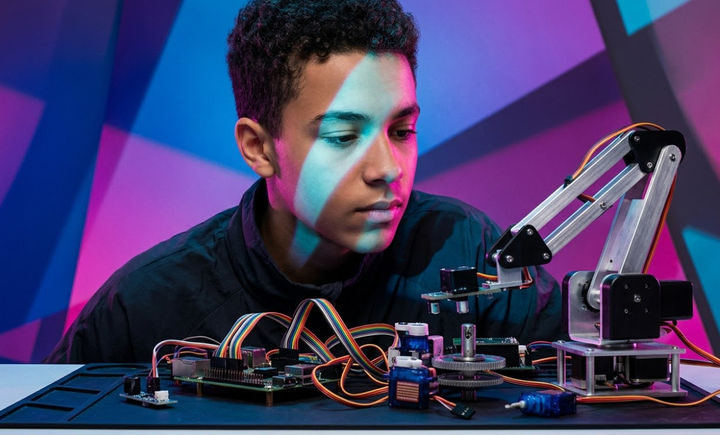
Robotics for 13+ Year Olds: When the Kit Stops Being the Point
Most 13-year-olds don't want to follow a tutorial. They want to build the thing they saw on YouTube at midnight. The tools available to them now are the same ones adults use. The right kit at this age isn't the most advanced one. It's the one they'll finish.
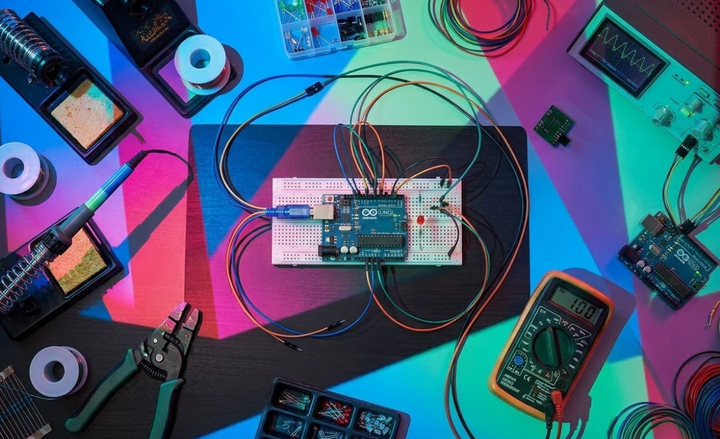
Robotics for 11-12 Year Olds: The Year They Stop Needing the Instructions
Most 11yo read the tutorial once, then close it. The kits that fail at this age aren't too hard. They're too constrained. When a child can see the ceiling, they lose interest. The right kit is the one that lets them keep climbing.
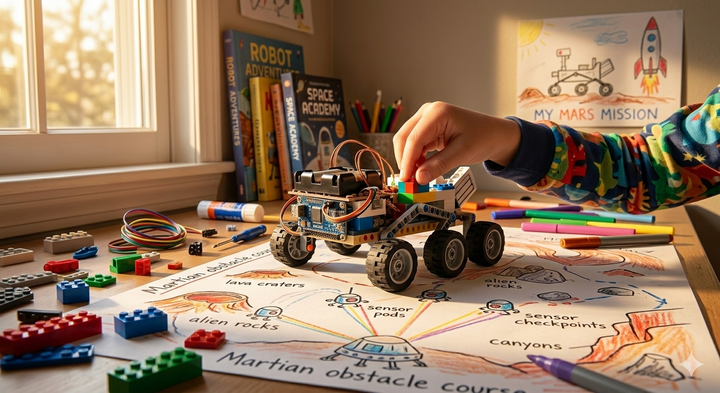
9–10 Year Olds: The Age When Patience Becomes Possible
Most 9yo can picture what they want the robot to do. Making it actually happen is another matter; and they're old enough to find that genuinely annoying. The kits that work at this age aren't the easiest. They're the ones just hard enough to make solving them feel like something.
Kids Activities
See all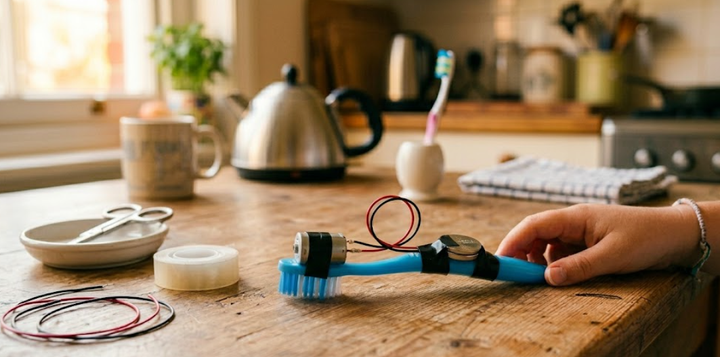
The £5 Robot You Can Build at the Kitchen Table
en minutes, about five quid, and you've got a real robot skittering across the kitchen table. A toothbrush head, a vibration motor, a coin battery. No app, no remote, no screen. It rarely goes in a straight line and that's the whole charm. Plus the backup plan.

Biscuit Dunking Science
Someone has declared that Hobnobs are objectively better than Rich Teas. Someone else disagrees. The kitchen has gone quiet. Good. You've got a science experiment, a mug of warm water, and about thirty minutes of peace once the stopwatch starts and the graphing begins.

Secret Code Breaker
Make your first message something good. Not 'hello how are you.' A secret. A compliment. The location of a hidden treat. The message matters because it's the reason they'll want to write one back.
What Happens When You Let Them Launch Things Across the Kitchen
One makes a light turn on. The other launches marshmallows across the kitchen. These are the ones that get carried to a grandparent's house for a demonstration. A coin battery, some lolly sticks, and twenty minutes.
Non-Technical Parent
See allHow Salt Makes Ice Cream
Isla had checked the freezer three times. There was no ice cream. We made some anyway, with salt, ice, and a freezer bag. Ten minutes of shaking later, the cream gave up and froze. She now explains the fridge to anyone who will listen.
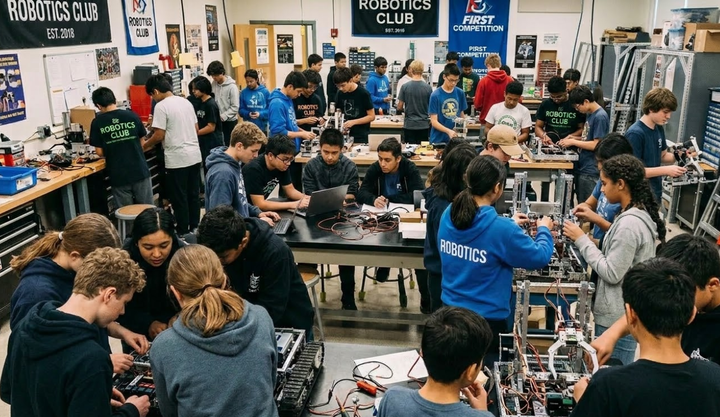
Should You Sign Them Up for a Robotics Club?
The most valuable thing about a robotics club isn't robotics. It's being in a room with other children who are interested in how things work. For some children, that room is the first place they've felt like their kind of thinking is normal.

The Kit Arrived on a Tuesday
47 pieces of plastic and a manual that opened with "ensure your firmware is updated." That was the moment I understood what being a non-technical parent actually means. Not that you can't help - you can. But the help looks different to what you expected.

What's Actually Happening When Your Child Programs a Robot
They're not learning to code in any language you'd recognise. Block-based programming isn't Python. It's not going to give them a head start in a computer science class in five years. That's not what it's for. What they're actually learning is how to debug.
Product Deep-Dives
See allWonder Workshop Dash: Review
Already built, Bluetooth-first, with five free apps that ladder from drawing lines at five to Blockly at nine. Dash is the coding robot that grows with a six-year-old for three years straight. The sweet spot is six to eight. The risk is that Dot and Cue are already gone.
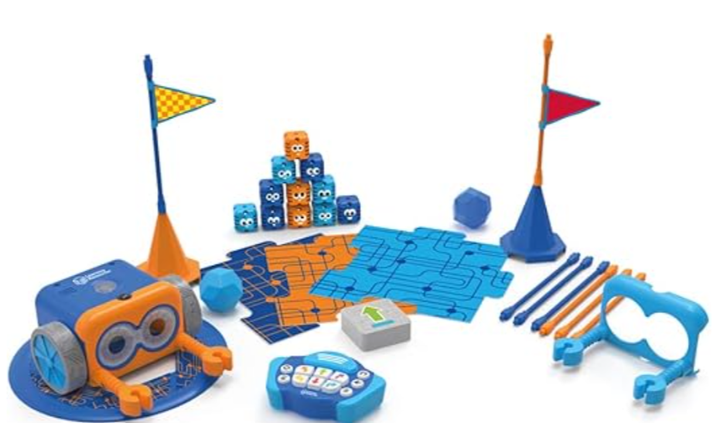
Botley 2.0: The Coding Robot
No app. No screen. No Bluetooth. You put in five AAA batteries and your child starts coding. Botley 2.0 is the best first coding robot for ages five to seven. It teaches sequencing, debugging and conditional logic without your child ever hearing those words.
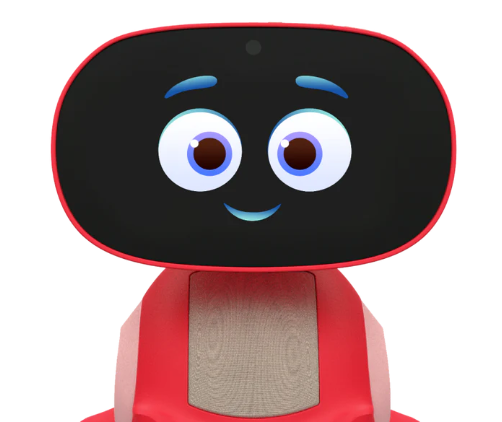
Miko 3 AI Robot
Your five-year-old started asking Alexa real questions and you thought: there must be something better. Miko 3 is an AI robot that tries to be that thing. It partly succeeds, but only with the subscription, only on Wi-Fi, and only if your child speaks clearly enough for it to hear.
Eilik Interactive Robot
A desktop robot that giggles, sulks, and panics when you pick it up. Eilik doesn't teach coding or grow with your child, but for five-to-eight-year-olds who want a pet with a personality rather than a project, it's one of the most charming options at £140.
Robotics News
See all
Humanoid Robots Have Started Showing Up for Work
Robots that walk, carry boxes, and work alongside people are no longer science fiction. They're showing up for real shifts in real warehouses. Here's what's happening with humanoid robots, and why it's worth talking about with your child.
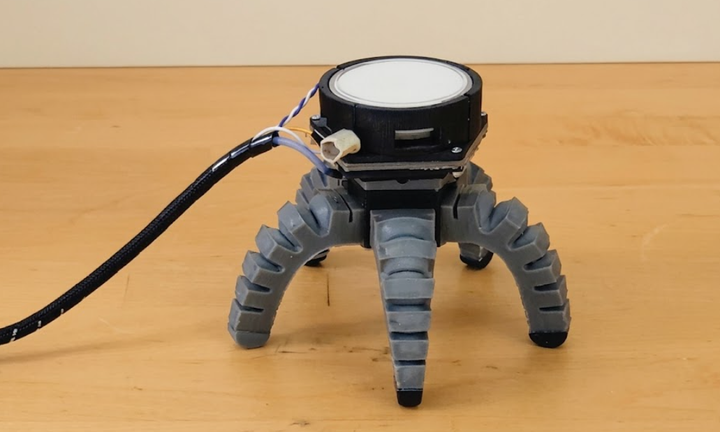
The Robot That Runs on Mushrooms
A robot at Cornell University walks on five soft legs, controlled not by code but by mushroom mycelium growing into its electronics. When the fungus senses light, the robot changes its gait. Nobody reprogrammed it. The mushroom decided.
The Robots That Solved the Hula Hoop
Nobody had explained how a hula hoop stays up. It took a mathematician watching street performers and a set of 3D-printed wiggling robots to crack it. The answer involves geometry, gravity, and a toy everyone knows doing something nobody had understood.

The Robot That Thinks With Its Legs
A soft-bodied robot made from elastic tubes can walk, hop, and swim, powered by nothing but air. No computer, no sensors, no code. Scientists at AMOLF in Amsterdam built it, and the physics behind it started with those wobbling inflatable tube men outside car dealerships.