Fun Facts: Did you know?
Some astronomy facts are just strange enough to stop a conversation mid-sentence. Sunsets on Mars are blue. The Moon's far side went completely unseen for the whole of human history. Neil Armstrong's bootprints are still perfectly crisp on the lunar surface and will outlast almost everything on Earth. Each piece here is built around one idea like that, explained clearly enough for a child to follow and interesting enough that the adult reading over their shoulder learns something too.
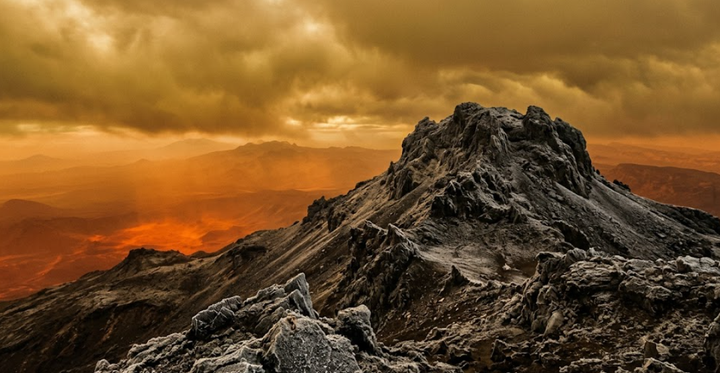
It Rains Diamonds on Neptune. It Snows Metal on Venus.
Two facts about weather in the solar system, neither of which involves water. Deep inside Neptune, methane is crushed into diamond and falls through the planet in a slow, impossible rain. On Venus, metals evaporate off the hot valleys and condense as frost on the mountains
Nothing Works the Way You'd Expect
On the Moon you'd weigh a sixth of what you weigh now. On Jupiter, more than double. And on Venus, a single day lasts longer than its entire year, the Sun rises in the west, and nobody is entirely sure why.
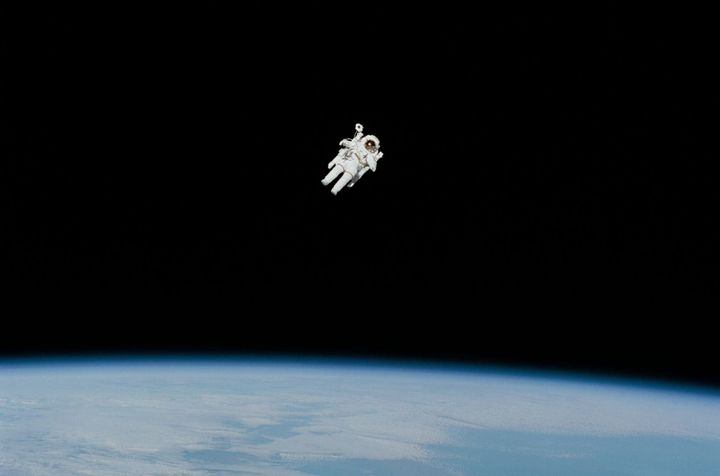
Space Is Completely, Perfectly Silent
If you've ever heard an explosion in a space film: that's fiction.
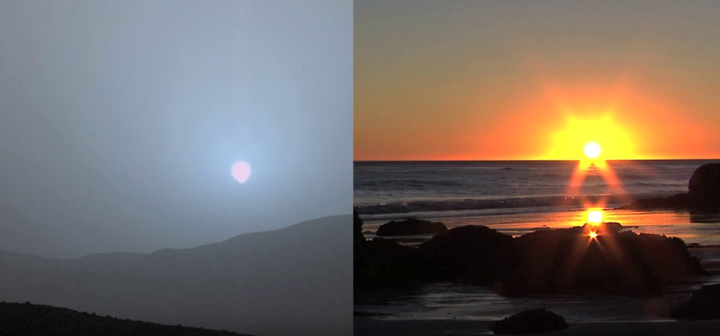
Sunsets on Mars are Blue
On Mars, the daytime sky is pink. But at sunset? It turns blue. The same dust that makes Mars red all day long is what creates that cool blue glow around the sun as it sets. Space is full of beautiful surprises.
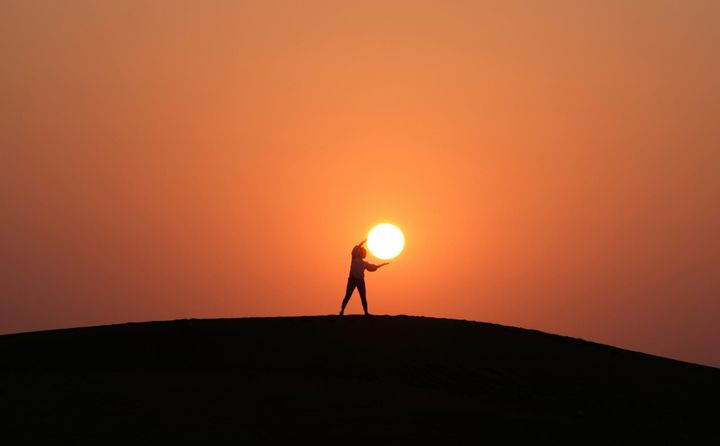
Did You Know? The Sun You See Isn't Really There
Sunlight takes eight minutes to reach Earth. Every time you look up, you are seeing where the Sun was, not where it is. If it vanished right now, you wouldn't know for over eight minutes. And that star you're not quite seeing? You could fit 1.3 million Earths inside it.

Why the Sky Is Blue (But Sunsets Are Red)
Sunlight looks white, but it's actually all colours mixed together. Blue light bounces around in the atmosphere, turning the whole sky blue. At sunset, light travels further and the blue scatters away — leaving only the warm reds and oranges.

The Moon That Never Turns Its Back
The Moon spins at exactly the same rate it orbits Earth, so the same face always points our way. Not by chance. Earth's gravity slowly forced it into lockstep over billions of years. The far side existed for millennia as the closest mystery nobody could see.
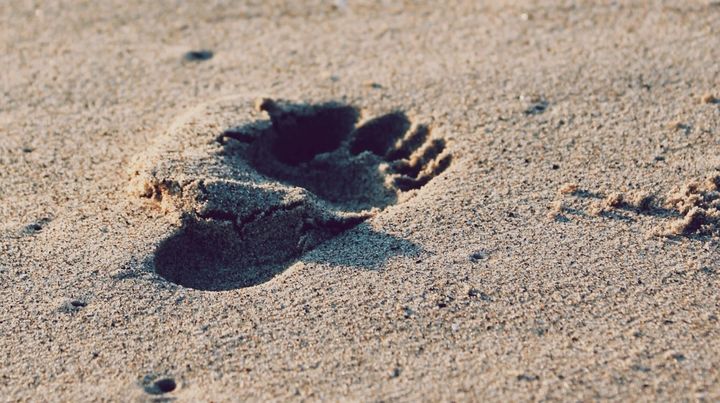
Footprints on the Moon Will Outlast Almost Everything on Earth
Neil Armstrong's bootprints from 1969 are still perfectly crisp on the Moon's surface. No wind, no rain, nothing to disturb them. Scientists think they could last tens of millions of years.
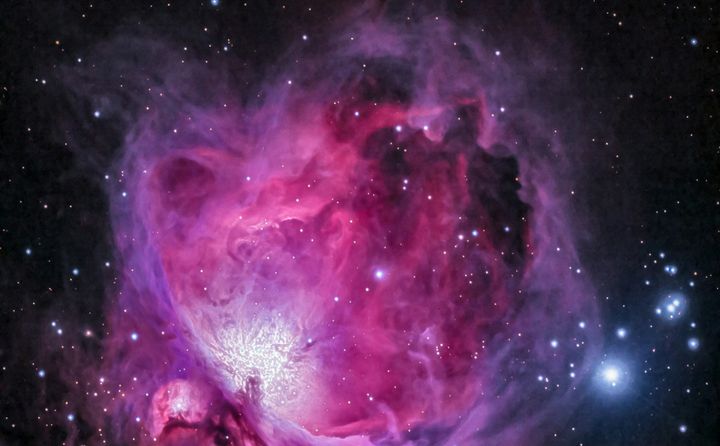
Six Space Myths Kids Repeat (and What's Actually Going On)
Mercury is closer to the Sun, but Venus is hotter. At midnight, Venus is still hotter than Mercury's hottest noon. That's one of six space myths your kid is repeating with total confidence. The truth is stranger than the myth, every time.

Space Facts Aren't a Checklist: The Solar System, Explained Properly
Textbooks do their duty. They tell us the Sun is a star. They note that Saturn has rings. True. Accurate. Necessary. It’s hard to feel anything about it. Curiosity fades. So we change the approach.

Your Pocket Planetarium
Some facts sound impossible until you check them. Andromeda is heading toward us at 250,000 miles per hour. Jupiter could swallow every other planet in the solar system with room to spare. These are the kind that stop a kid mid-sentence. The best way to find more of them