Science & Math
The children who struggled with maths were missing a spatial foundation the curriculum quietly assumes is there. One month of coding changed how six-year-olds think about problems that had nothing to do with a screen. The digit 8 is three different numbers depending on how you slice it. Three sections: brain development research translated into plain language, dinner table maths that surprises, and science experiments built from what is already in your kitchen.
Brain Development
See allWhen Teenagers Stop Studying Maths, a Key Brain Chemical Drops
Oxford scanned 87 teenagers. The ones who'd stopped maths had measurably less of a specific brain chemical. A second experiment confirmed it wasn't there before they stopped. The study is about 16-year-olds. Its relevance sits with parents of six-year-olds.
The Cognitive Skill That Predicts Everything, and the Activities That Build It
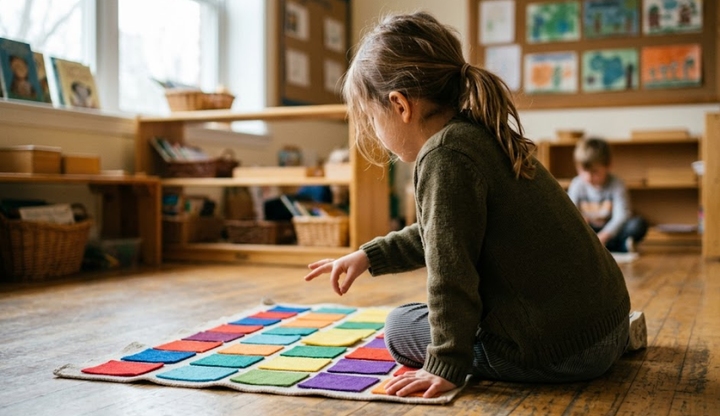
187 five- and six-year-olds. Ten weeks with a palm-sized floor robot, twice a week. Afterwards, they outperformed the control group on clinical tests of working memory and inhibition, tests with nothing to do with robotics. The mechanism wasn't the robot.

One Month of Coding Changed How Six-Year-Olds Think. Not About Coding.
Researchers gave first graders one month of coding lessons and measured what changed. Not their coding ability. Their ability to plan, inhibit impulses, and think through problems that had nothing to do with a screen.
The Skill That Doesn’t Look Like Maths
The skill that best predicted their arithmetic performance three years later wasn't intelligence or early number ability. It was something most maths lessons never mention.
Dinner Table Math
See allMath Facts That'll Make You Say "Wait, What?" #13
Every triangle you have ever drawn adds up to 180 degrees, exactly, no exceptions. A stop sign has eight sides because someone chose that on purpose in 1923. And a square is, technically, a rectangle. Shapes are quietly doing more work than they let on.
Math Facts That'll Make You Say "Wait, What?" #12
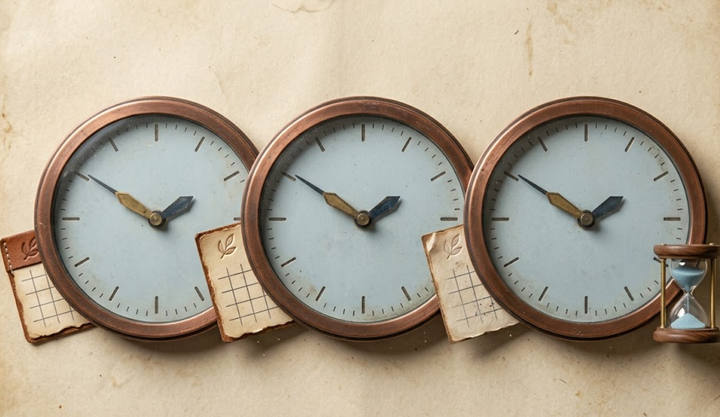
A million seconds ago was eleven days ago. A billion seconds ago was 1992. Sonic was new, the web had just opened to the public, the first text message had not been sent yet. The words sound like the same category of big. The numbers are not even in the same country.
Math Facts That'll Make You Say "Wait, What?" #11
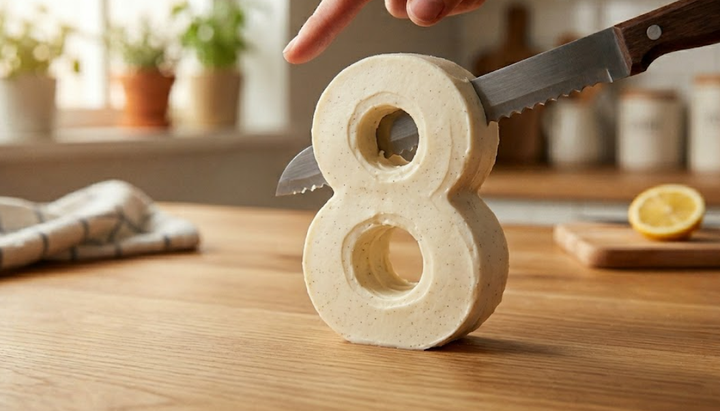
The digit 8 is three different numbers depending on how you slice it. The 9 times table doesn't just repeat. It builds perfect number pyramids. And spiders are doing geometry in the dark that humans needed centuries of maths to describe.

Math Facts That'll Make You Say "Wait, What?" #10
Counting to a million out loud, one number per second, would take 23 days without stopping. Counting to a billion would take 31 years. Two is the only even prime number in existence. Forty is the only number in English whose letters appear in alphabetical order.
Science Experiments
See all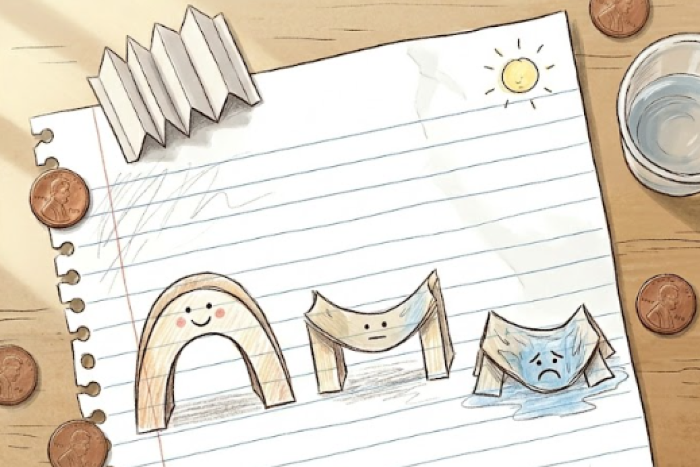
The Penny Bridge
A flat sheet of paper holds one penny before it gives up. Fold the same sheet into a concertina and it holds twelve. Sam was eight, in wet socks, and wanted to know why real bridges don't bend. Twenty minutes at the kitchen table, and he worked it out himself.
The Day We Launched a Marshmallow
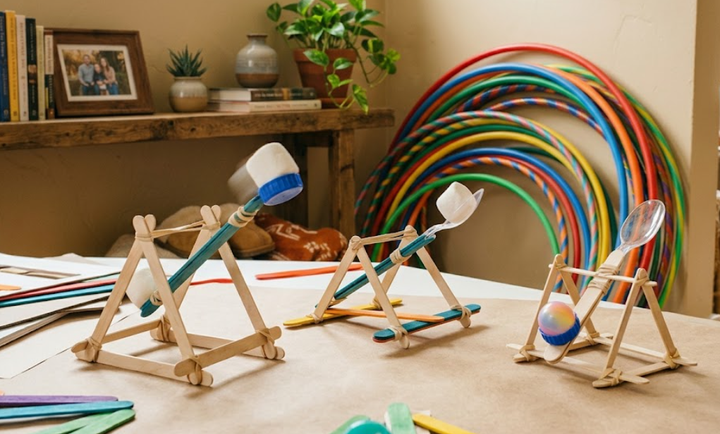
It started because Noor wanted to launch a marshmallow. Not eat it. Launch it. Five popsicle sticks, a rubber band, and one very determined child later. She called it "the stick being angry."
Roads for Electricity
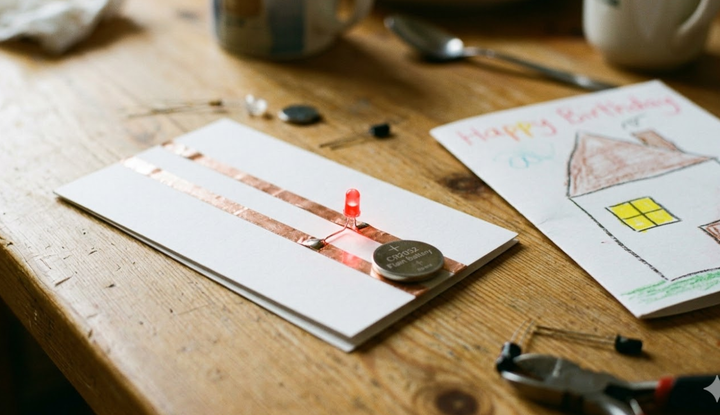
He pressed the battery down and the LED lit up. Red, steady, undeniable. "I made that happen," he said. "With tape." Then he built his mum a birthday card with a glowing window and copper tape roads hidden on the back. She asked if he'd made it. "I built a circuit. On paper. With roads.
The Egg Drop Challenge
It started because Noor had been dropping things all morning. A sock. A rubber ball. A piece of toast she claimed was 'already ruined.' Then she picked up an egg. We needed a helmet. For an egg. She was already holding the cotton wool.