All About Planets (and More)
Why Mars sunsets are blue, how many moons Jupiter has, what Saturn's rings are actually made of, and why Mercury has ice despite being closest to the Sun. Planet guides written to be read aloud in the car or at bedtime. Each one is short enough to finish before someone falls asleep and deep enough to make them ask the next question. Which is the whole point.
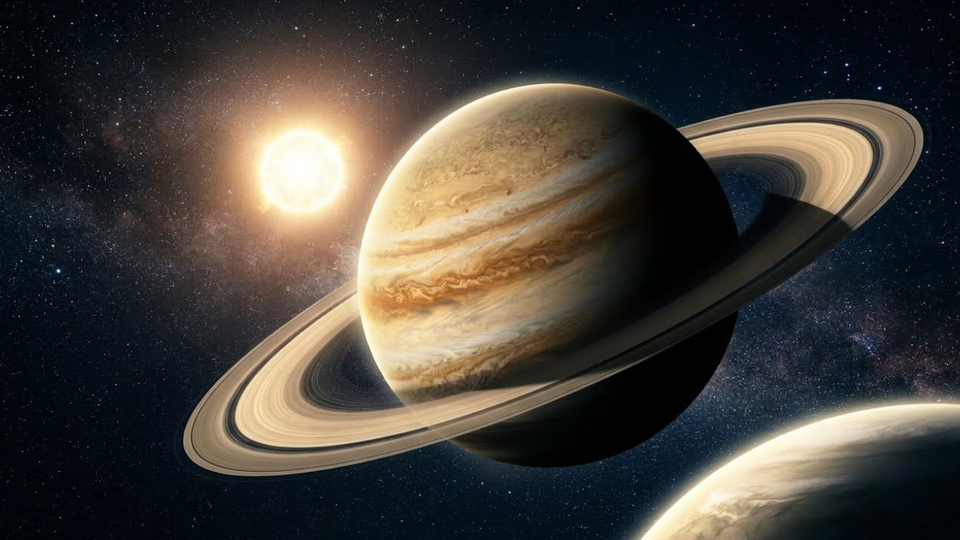
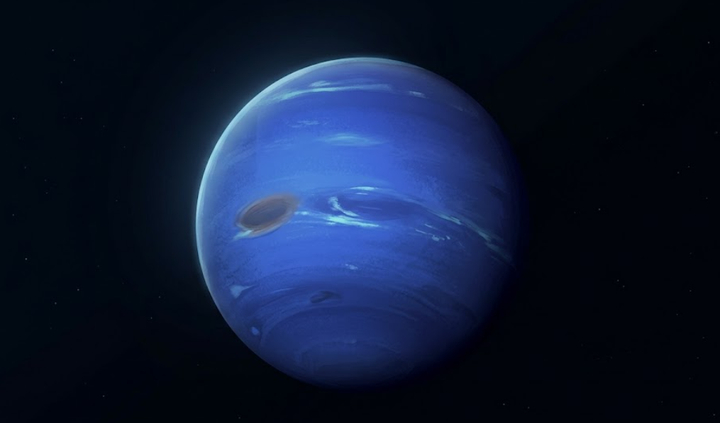
Neptune: The Planet That Shouldn't Be This Angry
On Neptune, the wind blows at 2,000 kilometres per hour. The planet sits thirty times further from the Sun than we do, where sunlight barely reaches. It should be a still, frozen marble. Instead it has the most violent weather in the solar system. Nobody is sure why.
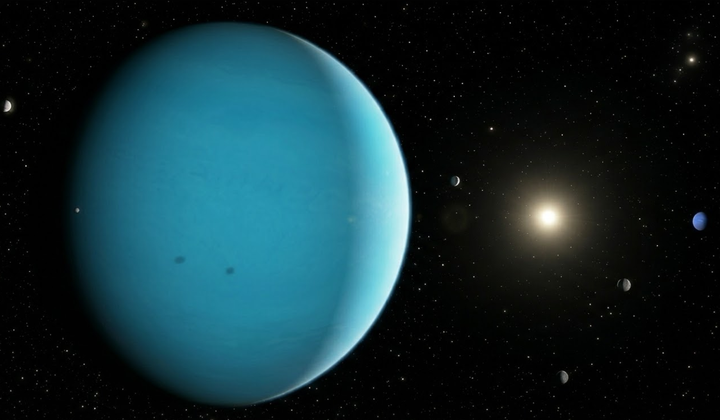
Uranus: The Planet That Fell Over
Uranus looks like the quietest planet in the solar system. Beneath that blank face: a world knocked sideways by a planet-sized impact, hiding its heat behind invisible barriers, raining diamonds into its own depths. We've visited once. We stayed a few hours.
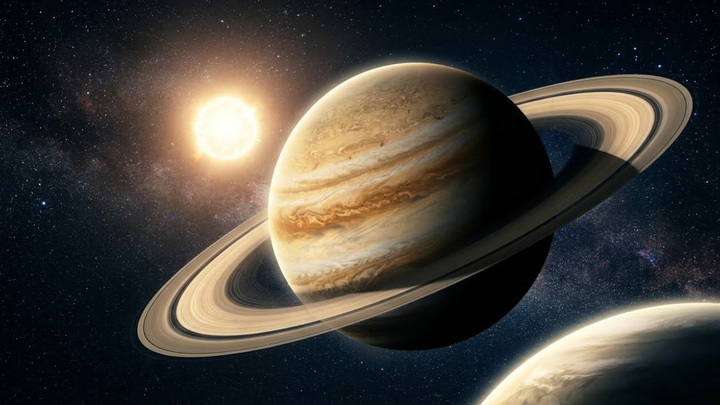
Saturn: The Planet That Wore Its Crown Late
Saturn's rings may have formed while dinosaurs walked the Earth. The planet is 4.5 billion years old, but its rings are perhaps only 100 million. They are slowly disappearing. We just happen to be alive at the right time to see them

Jupiter: The Planet That Could Have Been a Star
Beneath Europa's smooth shell of ice lies a saltwater ocean that may contain twice as much water as all of Earth's oceans combined. A spacecraft is on its way right now to find out if something could be living in it. Nobody knows yet. That is the best kind of answer.

Mars: The Planet We Almost Recognise
Sunsets on Mars are blue. On Earth, scattered light gives us red and orange sunsets. On Mars, fine dust in the atmosphere scatters the light differently, and the Sun sets in a cold, quiet blue. It is one of the most unexpectedly moving pictures ever taken on another planet.
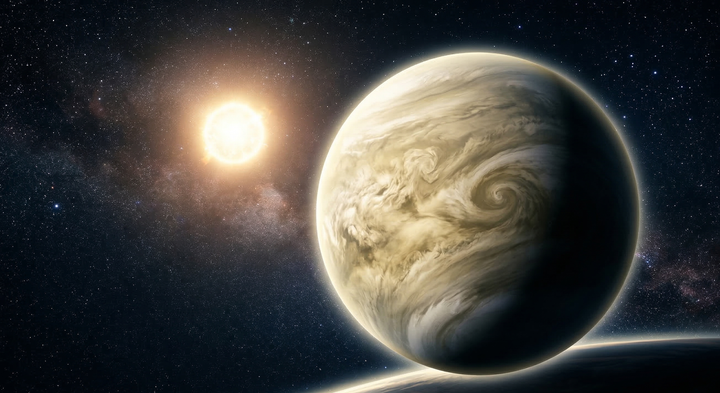
Venus: Earth's Twin That Chose a Very Different Life
Venus is almost exactly the same size as Earth, made from the same stuff, born in the same part of space. Scientists once imagined oceans and jungles. What they found was a scorching world of volcanoes and acid rain that never reaches the ground
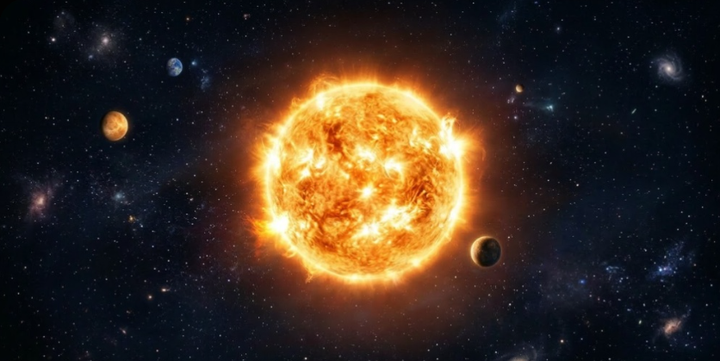
Mercury: The Planet That Shouldn't Make Sense
Mercury, the closest planet to the scorching Sun, has ice hiding in craters so deep that sunlight has never reached the bottom. It sounds like a contradiction. It is one of the most beautiful facts in the solar system

Getting Your Kids Into Astronomy (Without Buying a Telescope First)
You don't need a telescope to get kids into astronomy—start with the Moon's phases, bright planets like Venus, and free stargazing apps. Make it hands-on with scale models or Moon phase cookies. Answer questions honestly, even with "scientists don't know yet." Curiosity matters more than facts.

Before They Stop Looking Up: What Works and What Doesn't
Most of us make the same mistake sharing the night sky with kids: we lead with facts. Kids sense immediately that they're being taught, and the wonder drains out. Start with the sky, not the syllabus